
Invasion Science Institute
University of Florida
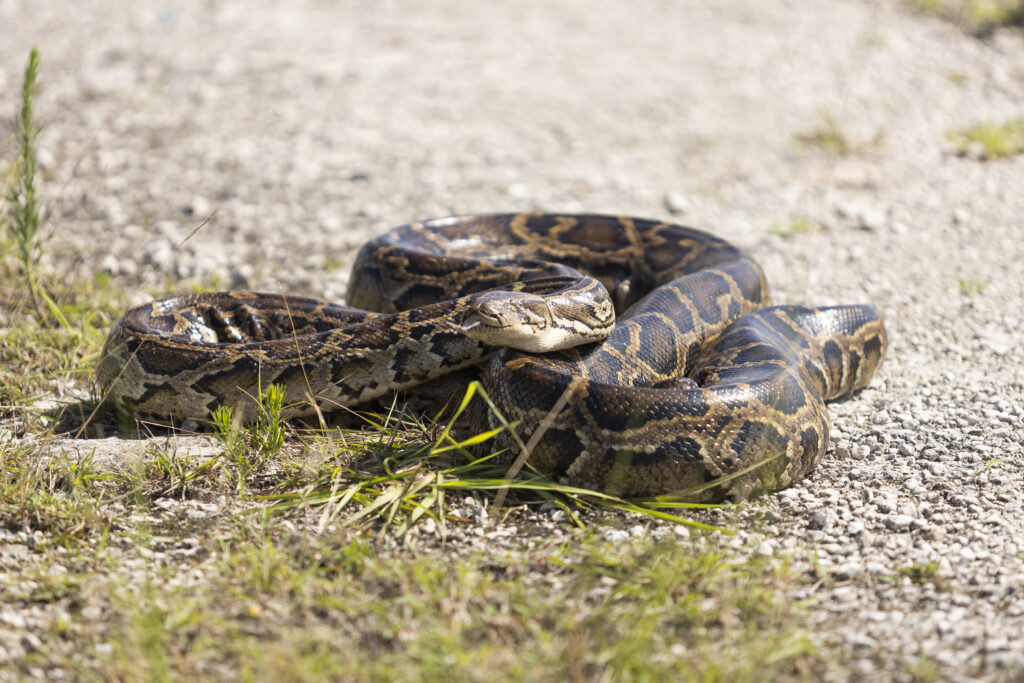
There are more than 3,700 non-native species in Florida, and almost 40% of them have been identified as invasive. These species are reshaping ecosystems across the state, from marine and coastal systems to upland habitats, agricultural systems, urban areas, wetlands, and lakes. Invasive species range from agricultural insect and pathogen pests that reduce productivity to aggressive plants that suppress native biodiversity to predators like pythons and lionfish that devastate native wildlife.
The Invasion Science Institute at the University of Florida addresses the pressing challenge of invasive species in Florida, across the US, and globally. The Institute facilitates interdisciplinary research to enhance scientific discovery, develop innovative management solutions, and train the next generation of scientists.
Updates and Events
Reshaping Nature Symposium
March 31, 2026

Outstanding Publication Award
Award-winning papers from ISI Affiliates
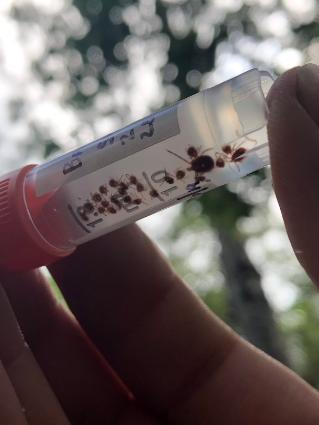
Invasive Plants and Ticks
Invasive Plants have the potential to enhance tick-borne diseases