
External Advisory Board
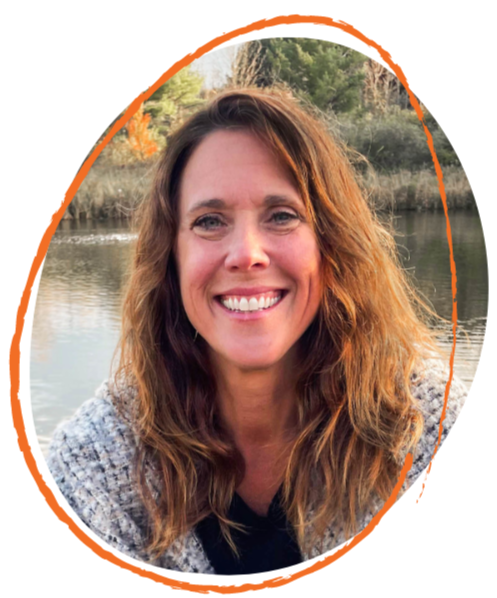
Carrie Brown-Lima
Regional Administrator
USGS Northeast Climate Adaptation Science Center
Bio
Carrie Brown-Lima has over 25 years of experience working in the areas of natural resource conservation and management. During a career that has spanned a variety of ecosystems and multiple countries, she has developed strategic partnerships and innovative programs that integrate science into natural resource decision-making and policies. Prior to her appointment as NE CASC Regional Administrator, she served as the Director of the NY Invasive Species Research Institute at Cornell University for 9 years. In that role, she worked closely with research scientists, state and federal agencies, regional managers and other stakeholders to inform approaches to invasive species management.
Brown-Lima has served as vice chair of the National Invasive Species Advisory Committee, chair of the New York State Invasive Species Advisory Committee and the North American Invasive Species Network and was an author of the New York Climate Impacts Assessment Ecosystems Chapter. She is also a co-founder of the Northeast Regional Invasive Species and Climate Change (RISCC) Management Network which won the Association of Fish and Wildlife Agencies Climate Adaptation Leadership Award for Natural Resources in 2021.
From 2003-2014, Carrie worked in Brazil and throughout Latin America developing conservation strategies. Her work there included leading programs and reports to support for sustainable fisheries and agriculture and transboundary protected areas for the Rio de Janeiro State Fisheries Institute, The Nature Conservancy, ProNatura International and the Interamerican Development Bank.
She holds a Bachelor of Science in Biology from Keene State College and a Master of Science in Natural Resources from Cornell University.
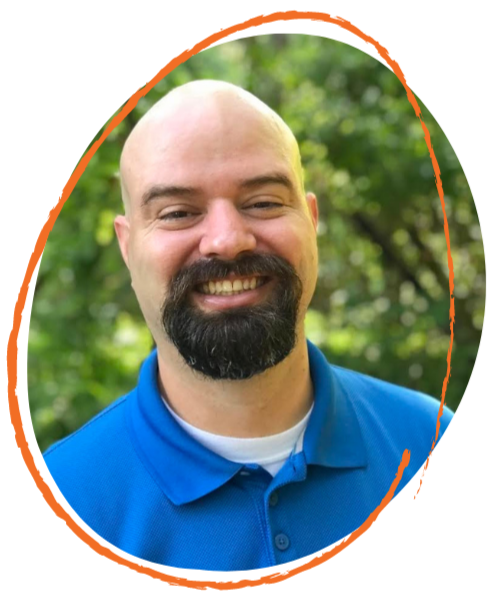
Wesley M. Daniel
Fishery Biologist
USGS Wetland and Aquatic Research Center
Bio
Dr. Wesley M. Daniel is a supervisory fisheries biologist with the U.S. Geological Survey at the Wetland and Aquatic Research Center in Gainesville, FL. He is the coordinator for the Nonindigenous Aquatic Species (NAS) Database and supervises a team of eight scientists and a team of student workers. Wes is an aquatic landscape ecologist, and his research focuses on identifying and modeling the impacts and introduction pathways of invasive species. Before joining USGS, Wes worked as a post-doctoral research associate for Michigan State University. He led numerous national-focused conservation projects for freshwater fishes and mussels with the National Fish Habitat Partnership, Northeast Climate Science Center, and Gulf Coast Prairie Landscape Conservation Cooperative. Wes received a M.S. in Biology from the University of Louisville and a Ph.D. in Biology from Louisiana State University.
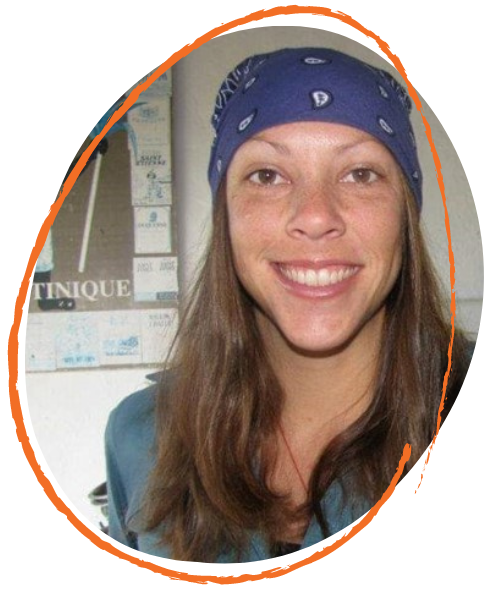
Sarah Funck
Wildlife Impact Management Section Leader Florida Fish and Wildlife Conservation Commission
Bio
Sarah Funck earned a bachelor’s degree in biology from Millersville University and a master’s degree in environmental science from Florida Gulf Coast University. She has a diverse work history with a focus in herpetology. Sarah currently serves as the Wildlife Impact Management Section Leader for Florida Fish and Wildlife Conservation Commission. In this role, she leads a team of biologists and administrative staff that strive to prevent and minimize human-wildlife conflict issues through technical assistance, stakeholder engagement, nonnative species management, permitting, policy development, rule promulgation, and various education and outreach strategies. Outside of work, she loves hiking, kayaking, paddle boarding, traveling, painting, and sewing.
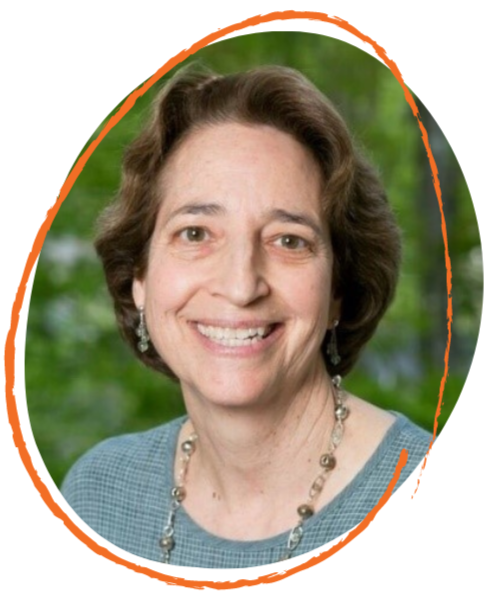
Doria Gordon
Lead Senior Scientist & Senior Director,
Environmental Defense Fund
Bio
Doria Gordon is a Lead Senior Scientist and Senior Director in the Office of the Chief Scientist at Environmental Defense Fund. Prior to EDF, she spent 25 years working in science, conservation, and management for The Nature Conservancy in Florida. Dr. Gordon is also a Courtesy Scientist in the Department of Biology at the University of Florida and a Research Associate at Archbold Biological Station. Her current research focuses on the scale and measurement of greenhouse gas mitigation in natural and agricultural systems. She also works on governance of genetically engineered organisms in agriculture and the environment, and risk assessment for invasiveness in plant species. She has also served on the boards of the Global Invasive Species Programme and Florida Exotic Pest Plant Council. Dr. Gordon completed a M.S. and Ph.D. in Ecology at the University of California at Davis following an undergraduate degree in Biology and Environmental Studies at Oberlin College.
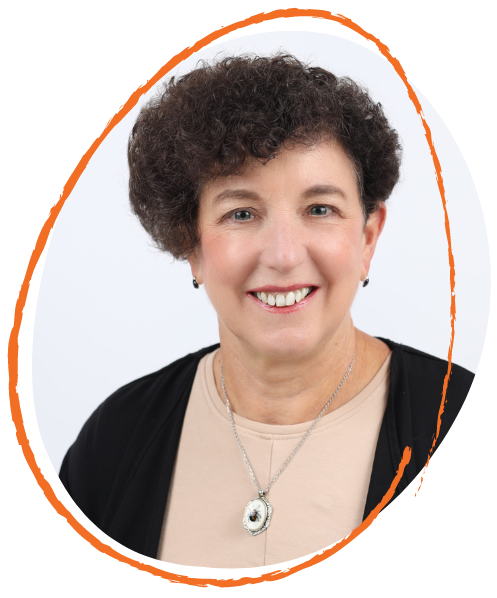
Pam Marrone
Co-founder and Executive Chair, Invasive Species Corporation
Bio
Dr. Marrone spent her 30+ year career focused on biological products for pest management and plant health, having started and led three bioag companies (Entotech, AgraQuest and Marrone Bio Innovations (now called Profarm Group), all of which were sold to larger companies. She is one of only 32 women to have founded a company and taken it public (MBII:NASDAQ). With co-founder Jim Boyd, the former CFO of Marrone Bio, Pam has launched a fourth company, the Invasive Species Corporation, to bring effective, environmentally friendly biological solutions to control destructive invasive species, in water, forestry and agriculture. She is on the board of the Foundation for Food and Agricultural Research, is a Senior Fellow of the Arizona State University Swette Center for Sustainable Food Systems and is a past alumni-Trustee of Cornell University. She is Chair of the Board of Elicit Plant and serves on the boards of 180 Life Sciences (NASDAQ:ATNF), Stem Express and Pheronym and advises several agtech/agbio startups, many founded or led by women. Among her many awards, in 2023 she received the Rosalind Franklin Award from the Biotechnology Industry Organization and in 2022 she was the first woman to receive the American Chemical Society “Kathryn C. Hach Award for Entrepreneurial Success.” She has a B.S. in entomology with Honors and Distinction from Cornell University and a Ph.D. in entomology from North Carolina State University. She is a Fellow of the AAAS and has over 400 patents
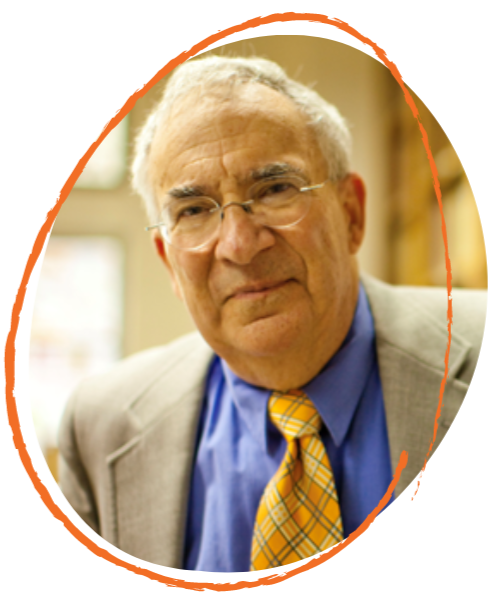
Daniel Simberloff
Nancy Gore Hunger Professor of Environmental Studies,
Department of Ecology and Evolutionary Biology, University of Tennessee
Bio
Daniel Simberloff received his A.B. (1964) and Ph.D. (1968) from Harvard University and was a faculty member at Florida State University from 1968 through 1997, when he moved to the University of Tennessee. His publications number ca. 500 and center on ecology, biogeography, evolution, and conservation biology; much of his research focuses on causes, consequences, and management of biological invasions. His research projects are on insects, plants, fungi, birds, and mammals. He is co-editor-in-chief of Biological Invasions, senior editor of the Encyclopedia of Biological Invasions (2012), author of Invasive Species: What Everyone Needs to Know (2013), co-editor of Integrating Biological Control into Conservation Practice (2016), and co-editor of the annotated 2nd edition of Charles Elton’s The Ecology of Invasions by Animals and Plants (2020). In 2006 he was named Eminent Ecologist by the Ecological Society of America, in 2012 he won the Margalef Prize for research in ecology, and in 2015 he won the Wallace Prize of the International Biogeography Society for lifetime contributions. He is a member of the U.S. National Academy of Sciences and the American Academy of Arts and Sciences.
Angela McMellen Brannigan
Technical Advisor,
National Invasive Species Council
Bio
Angela McMellen Brannigan serves as Technical Advisor to the National Invasive Species Council where she has a lead role on scientific and technical invasive species issues that cut across multiple federal departments. Current projects include working with federal agencies on the development of a National Early Detection and Rapid Response Framework for non-agricultural invasive species and enhancing coordination at ports of entry for effective response to detections of aquatic invasive species. Angela served on the US delegation to the Intergovernmental Panel on Biodiversity and Ecosystem Services Plenary in September 2023 where the first global assessment on invasive species was adopted. With much of her career spent at the United States Department of Agriculture Animal Plant Health Inspection Service, Angela has extensive experience on regulatory methods of preventing and controlling invasive species. Angela worked on developing regulatory policy to limit the spread of invasive species through international agricultural trade in plants and plant products engaging with a wide variety of trading partners and industry groups in that capacity. She has also worked on regulatory solutions to containing invasive species domestically collaborating with state departments of agriculture, domestic producers, and scientists. Angela holds a B.A. in French and Biology from Austin College, a M.S. in Zoology from Michigan State University, and a Ph.D. in Forest Resources/Wildlife Ecology from the University of Georgia.
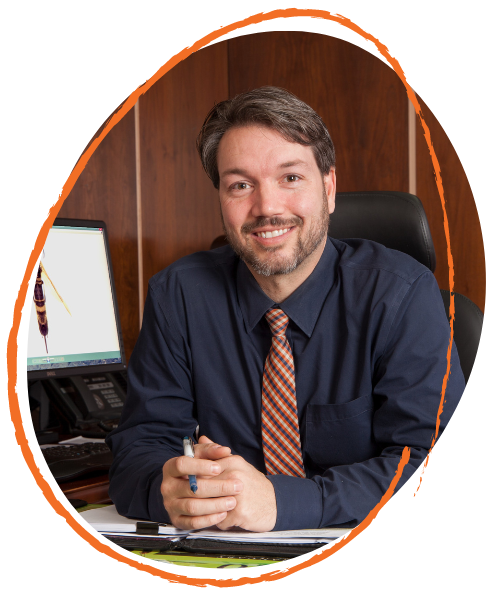
Trevor Smith
State Plant Regulatory Official / Division Director,
FDACS Division of Plant Industry
Bio
Dr. Trevor Smith is the Director of the Division of Plant Industry (DPI), one of the largest and most technical divisions within the Florida Department of Agriculture and Consumer Services (FDACS). Dr. Smith began his career with the Florida Department of Agriculture and Consumer Services in 2006 as a Laboratory Technician in Gainesville while working on his Ph.D. He subsequently held positions as the State Survey Coordinator for the Florida Cooperative Agricultural Pest Survey program and Chief of the Bureau of Methods Development and Biological Control. Dr. Smith is also a courtesy Professor with the Entomology and Nematology Department and graduate faculty at the University of Florida. As the Director of the Division of Plant Industry, he is responsible for almost 700 employees in 54 offices from Pensacola to Florida City working to protect Florida’s agriculture and natural resources from exotic plant and honeybee pests and diseases. He is also the State Plant Regulatory Official (SPRO) for Florida and represents the state on pest and disease issues nationally and internationally. He has a Ph.D. and M.S. in entomology and nematology from the University of Florida and a B.S. in biology from the University of Central Florida.
During his tenure with the Department, Dr. Smith has authored and co-authored dozens of publications on invasive species, including, but not limited to, scale insects, whiteflies, stinkbugs, lygus bugs, tephritid fruit flies, the rat lungworm, and invasive land snails. He has worked on and led many major eradication campaigns, such as the cotton seed bug, lime swallowtail, giant African land snail, various Mediterranean fruit fly, and Oriental fruit fly, as well as numerous early detection and rapid-response programs. He also managed numerous successful biological control programs, including tropical soda apple, air potato vine, pink hibiscus mealybug, imported fire ant, cactus moth, Asian citrus psyllid, diaprepes root weevil, Caribbean fruit fly, and various other significant pests and weed control efforts.
Selected Professional Committees:
- National Plant Board Board (NPB), Florida State Plant Regulatory Official
- National Biological Control Task Force (USDA and NPB)
- Strategic Alliance Committee – New Pest Detections (USDA and NPB)
- Citrus Research and Field Trials
- Citrus Health Response Program (CHRP) National Program Coordination Group (USDA)
- Huanglongbing Multi-Agency Coordination Group (USDA)
- New Pest Advisory Group (NPAG) National Program Coordination Group (USDA and NPB)
- Plant Protection Act 7721 (Farm Bill) Planning Group (USDA)
- Doctor of Plant Medicine External Advisory Committee (UF-IFAS)
- Center for Biological Control Technical Advisory Committee (FAMU)